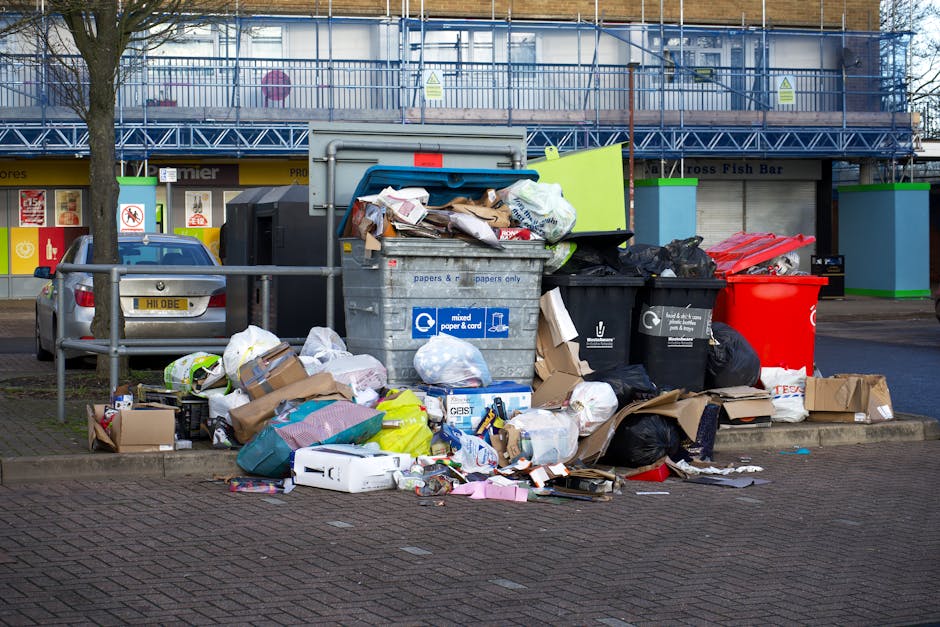
Avoid hidden rubbish removal fees in Finsbury Park
If you are trying to avoid hidden rubbish removal fees in Finsbury Park, you are probably already suspicious of the quote in front of you. Fair enough. A cheap headline price can look fine on paper, then suddenly there is a "lifting charge", "access charge", or some vague extra for mixed waste. That is the sort of thing that turns a simple clear-out into a frustrating little money leak.
This guide breaks down how rubbish removal pricing really works, what to look out for, and how to compare providers without getting caught by surprise. Whether you are clearing a flat near the station, shifting builder's waste from a renovation, or finally dealing with the pile in the loft, the goal is the same: pay a fair price, know what is included, and avoid awkward add-ons later on.
Let's make this simple and practical. No fluff. No mystery fees. Just the stuff that helps you make a better decision.
Table of Contents
- Why Avoid hidden rubbish removal fees in Finsbury Park Matters
- How Avoid hidden rubbish removal fees in Finsbury Park Works
- Key Benefits and Practical Advantages
- Who This Is For and When It Makes Sense
- Step-by-Step Guidance
- Expert Tips for Better Results
- Common Mistakes to Avoid
- Tools, Resources and Recommendations
- Law, Compliance, Standards, or Best Practice
- Options, Methods, or Comparison Table
- Case Study or Real-World Example
- Practical Checklist
- Conclusion
- Frequently Asked Questions
Why Avoid hidden rubbish removal fees in Finsbury Park Matters
Hidden fees are not just annoying. They change the whole value of the job. A rubbish removal service can look affordable at first glance, then the final invoice climbs because the team "didn't expect" the waste to be upstairs, parked too far away, mixed with other materials, or heavier than the rough estimate. In a busy part of North London, where access can be tight and time is valuable, that sort of surprise is especially painful.
In Finsbury Park, this matters even more because many homes and businesses deal with practical constraints: narrow stairwells, shared entrances, controlled parking, back-access only, or properties where waste has to be moved carefully through communal areas. If the provider has not asked the right questions before quoting, you are the one who pays for their guesswork. And yes, that happens more often than most people expect.
There is also a trust issue. Transparent pricing usually reflects a more organised operation. That does not guarantee perfection, of course, but it is a good sign. A company that explains its pricing properly is usually the one that will show up, load efficiently, and leave you with fewer headaches. That is the kind of service people tend to remember, especially when the dust settles and the hallway is finally clear.
Quick takeaway: a proper rubbish removal quote should explain what is included, what may cost extra, and what conditions affect the final price. If any of that is fuzzy, ask again before you book.
How Avoid hidden rubbish removal fees in Finsbury Park Works
In plain English, avoiding hidden fees means checking the quote against the real job before anyone arrives. The best rubbish removal companies do not just ask, "How much waste have you got?" They ask what type of waste it is, where it is located, how easy it is to access, whether there are stairs, whether parking is available, and whether anything is heavy, awkward, or restricted.
That is because removal pricing often depends on several moving parts:
- Volume - how much space the waste takes up in the vehicle.
- Weight - especially important for dense items like rubble, soil, tiles, or wet waste.
- Waste type - general household rubbish is not the same as appliances, mattresses, or builder's waste.
- Access - ground-floor collection is usually simpler than multiple flights of stairs.
- Loading time - if items are spread across rooms or a loft, it can take longer.
- Special handling - some items need separate treatment, sorting, or disposal routes.
In practice, hidden fees usually appear when one of these points was not discussed early. For example, a quote might assume curbside pickup, but your waste is actually on the third floor. Or the quote may cover standard mixed household waste, but half the load turns out to be old plasterboard and tiles. Nobody enjoys that conversation halfway through the job.
The easiest way to avoid the problem is to treat the quote like a checklist, not a rough guess. Send photos. Be honest about access. Mention if there are parking restrictions. If you are not sure what counts as "special" waste, say so. A decent provider would rather clarify upfront than reprice later.
Key Benefits and Practical Advantages
When you take time to avoid hidden rubbish removal fees in Finsbury Park, the benefits go beyond money, though that is obviously a big one. You get a smoother job, fewer delays, and less stress on the day. That matters when you are already juggling other things, whether it is work, tenants, moving house, or a DIY project that has gone a bit sideways. Happens to the best of us.
- Clearer budgeting: You can plan properly instead of leaving room for unpleasant surprises.
- Better comparison: Quotes become easier to compare when the pricing rules are plain.
- Fewer delays: The crew is less likely to pause the job and renegotiate halfway through.
- Less conflict: No awkward back-and-forth over what was or was not included.
- Better service fit: You choose a company that actually understands your property and waste type.
There is a practical advantage too: once you know how pricing works, you can often reduce the cost by preparing the job better. Grouping items together, sorting recyclable materials, and clearing access can make a genuine difference. Even something simple like moving items to one place before collection can reduce loading time and avoid a small but annoying surcharge.
It also helps you spot value, not just cheapness. A slightly higher quote that includes labour, loading, and disposal may be better than a bargain price that balloons later. Truth be told, the cheapest option is not always the cheapest option. Funny how that works.
Who This Is For and When It Makes Sense
This matters for anyone who needs waste removed without turning the job into a guessing game. In Finsbury Park, that usually includes homeowners, tenants, landlords, letting agents, office managers, shop owners, and tradespeople. Different people, same problem: waste needs to go, and the invoice should make sense.
You will especially want to pay attention if you are in one of these situations:
- Flat clearance: shared entrances, stairs, and limited parking can affect the quote.
- House clearance: a mix of furniture, bagged rubbish, and bric-a-brac can change the price.
- Builders waste clearance: rubble, plasterboard, timber, and packaging need careful categorising.
- Office clearance: desks, filing, and confidential material may require different handling.
- Garden clearance: soil, branches, and green waste can be heavier than they look.
- Specialist items: fridges, mattresses, sofas, and appliances may have separate disposal considerations.
It also makes sense if you have a time-sensitive job. Maybe you are preparing a property for new tenants, or perhaps the mess needs to be cleared before decorators arrive on Monday morning. In those situations, a hidden fee does not just hit your wallet; it can throw off your timing too. That is the real nuisance.
If you are comparing different service types, it can help to look at related pages such as general waste removal options, home clearance, or office clearance depending on the job. The right fit often depends less on the "service name" and more on how your waste is stored, accessed, and sorted.
Step-by-Step Guidance
If you want to avoid hidden rubbish removal fees in Finsbury Park, use a simple step-by-step approach. It is not glamorous, but it works.
1. Identify exactly what needs removing
Walk through the space and list every item or pile. Be specific. "A few bits" is where trouble starts. A sofa, two wardrobes, six bin bags, a broken fridge, and some cardboard is much more useful than a vague "mixed rubbish" description.
2. Separate waste types where possible
Keep bulky furniture, general rubbish, appliances, green waste, and builder's waste in separate groups if you can. This helps the provider assess the job accurately and can avoid nasty surprises if some materials need special disposal.
3. Take clear photos
Photos are your best friend here. Take them from a couple of angles and include the path to the waste if access matters. A picture of the pile is helpful; a picture of the narrow staircase, less glamorous but even more useful.
4. Ask what is included in the quote
Does the price include loading, labour, transport, disposal, and VAT if applicable? Are there extra charges for stairs, heavy items, awkward access, or waiting time? Ask directly. If the answer is vague, that is useful information in itself.
5. Clarify access and parking
In places around Finsbury Park, parking and loading access can shape the whole job. If the vehicle cannot stop nearby, mention that. If there is a basement or top-floor flat, mention that too. These details matter more than people think.
6. Confirm special-item handling
Some items need separate treatment, and that can change the price. For example, appliances, fridges, mattresses, and certain bulky items often sit in a different category from standard household rubbish. If you are unsure, name the item and ask.
7. Get the final confirmation in writing
You do not need a dramatic contract for every small job, but you do want written confirmation of the quote and the main conditions. That way everyone knows what was agreed before the van turns up.
8. Be ready before the team arrives
Clear the route, unlock access points, and keep the waste together if possible. A well-prepared job tends to run smoother and cleaner. It is one of those tiny bits of effort that can save real money.
Expert Tips for Better Results
After a while, you notice the same pattern: the best rubbish removal jobs are usually the best prepared ones. Not perfect, just prepared. Here are a few practical tips that can genuinely help.
- Send more detail than you think is necessary. A good provider would rather have extra context than a surprise.
- Ask about minimum charges. Some jobs are priced by load size, some by item count, and some by a minimum fee.
- Check whether labour is already included. That detail can make a big difference.
- Watch for "from" pricing. It is not always misleading, but it should be treated as a starting point, not a promise.
- Don't hide awkward access. Stairs, narrow hallways, no lift, or controlled entry should all be mentioned early.
- Be careful with mixed waste. A mixed load can be perfectly normal, but it may be priced differently from a single waste stream.
One small trick: ask the company to explain the quote back to you in plain language. If they can do that clearly, the booking process usually feels calmer from that point onward. If they cannot, well, you probably have your answer.
Another thing worth mentioning is timing. Early mornings or tight turnaround windows can sometimes affect logistics. If your waste has to be removed between deliveries, inspections, or tenants moving in, say so. That kind of pressure is not rare in London, and a provider who understands it is worth more than a vague low quote.
Common Mistakes to Avoid
A lot of hidden-fee problems come from the same handful of mistakes. Luckily, they are avoidable.
- Choosing on price alone. A cheap quote with weak detail can end up expensive.
- Not describing the waste properly. Builders waste, appliances, and furniture are not interchangeable in pricing terms.
- Forgetting about access. Stairs, distance from the van, and parking all affect labour time.
- Assuming everything is included. Never assume. Ask.
- Booking without photos. Photos reduce confusion and help prevent quote changes later.
- Ignoring special items. Mattresses, fridges, and hazardous items can involve different handling requirements.
- Leaving the waste spread everywhere. That can make the job slower and messier than needed.
One very common mistake is not checking whether the provider explains disposal costs clearly. Disposal is not just some invisible background step; it is part of the service. If a company cannot explain where your waste goes and what it covers, you should slow down and ask more questions.
And yes, the classic "I thought that was included" moment still happens. More than it should, really.
Tools, Resources and Recommendations
You do not need specialist software to avoid hidden fees, but a few simple tools help a lot.
- Phone camera: take broad shots and close-ups of the waste and access points.
- Short written list: jot down item types, quantities, and any awkward bits.
- Measurements: rough dimensions help for furniture, appliances, and bulky items.
- Building access notes: floor level, lift availability, parking restrictions, and entry details.
- Comparison notes: keep quotes side by side so you can compare what is actually included.
If you want to explore related services, it may also help to look at pricing and quotes, insurance and safety, and recycling and sustainability. Those pages are useful if you are checking how a provider handles value, risk, and disposal practices across different types of jobs.
If your waste includes items that may need special handling, you can also review pages such as fridge and appliance removal or hazardous waste disposal. Not every job will need them, of course, but it is better to know before the van is outside and everyone is standing there in the cold looking at the pile.
Law, Compliance, Standards, or Best Practice
Rubbish removal is not just a pricing question. There are also practical compliance points and best-practice expectations that matter for safety, disposal, and peace of mind. In the UK, waste has to be handled responsibly, and you should be careful with any provider that seems unclear about where materials go or how they are managed.
From a customer point of view, the most sensible approach is to look for straightforward evidence of good practice: clear pricing, safe handling, sensible sorting, and a willingness to answer questions. If a company can explain its process plainly, that is a good sign. If it dodges basic questions, that is not a great sign, even if the quote looks attractive.
You should also be careful with items that are not ordinary household rubbish. Appliances, electricals, confidential paperwork, bulky furniture, and anything potentially hazardous may require different treatment. For example, confidential files are usually better handled through a dedicated shredding service such as confidential shredding, rather than simply tipped into a general mixed load.
Best practice also means checking that the provider takes safety seriously. That includes lifting methods, protective equipment, and how they handle awkward or heavy items. If you want more detail on that side, the company's health and safety policy and terms and conditions can tell you a lot about how the business thinks.
In short, transparency is part of compliance in a practical sense. You are not just buying a collection. You are buying a process that should be clear, safe, and fair. Simple as that.
Options, Methods, or Comparison Table
Not every rubbish removal job should be approached the same way. The best choice depends on how much you need removed, what the items are, and how much effort you want to put in yourself. Here is a simple comparison to help.
| Option | Best for | Potential downside | Risk of hidden fees |
|---|---|---|---|
| Full-service rubbish removal | Mixed household waste, bulky items, quick clear-outs | Can cost more upfront than DIY | Low if quote is detailed |
| Skip hire | Longer projects, ongoing renovation waste | Needs space and self-loading | Medium, especially if permits or overfilling apply |
| Specialist item removal | Appliances, mattresses, sofas, confidential waste | May not suit mixed loads | Low if the item type is specified |
| DIY trips to the tip | Small loads and flexible schedules | Time, fuel, lifting, and disposal limits | Low, but hidden in your own time and effort |
For many people in Finsbury Park, full-service removal is the most practical option because it saves time and reduces hassle. But if your waste is spread across a bigger project, a different method might suit better. For example, if you are working through a gradual declutter, you may find the advice in space-saving rubbish removal bags useful. If you are dealing with furniture specifically, take a look at furniture disposal or furniture clearance depending on the job.
Case Study or Real-World Example
Picture a typical flat clear-out near Finsbury Park station. The customer thinks it is a "small job": an old sofa, a broken chest of drawers, several bin bags, and some cardboard from a recent delivery. Straightforward, right? Then the team arrives and discovers the items are on the second floor, the lift is out of action, and the only parking spot is a short walk away.
If that access problem was not discussed beforehand, the quote may suddenly need adjusting. Not because anyone is being difficult, but because the job is materially different from the original description. That is exactly how hidden fees sneak in. The customer feels surprised; the provider feels the original estimate was incomplete; nobody is especially happy. A classic little London stand-off, honestly.
Now compare that to a better-prepared version. The customer sends photos, says the flat is up two flights of stairs, mentions the lack of lift, and explains that parking is limited to a nearby bay. The provider builds the quote around that information. The price may be slightly higher than the first vague estimate, but it is far more likely to hold. On the day, the work is faster because both sides knew what to expect.
That is the real lesson: transparent quoting does not just protect your budget. It keeps the job smooth. Less backtracking, less tension, fewer awkward pauses on the pavement while everybody rechecks the details. And that, to be fair, is worth quite a bit.
Practical Checklist
Use this checklist before you book. It is simple, but it catches most of the problems people run into.
- Have I described every item or pile clearly?
- Have I taken photos from more than one angle?
- Have I mentioned stairs, lifts, or difficult access?
- Have I explained parking or loading restrictions?
- Have I asked what is included in the quote?
- Have I checked whether labour, loading, and disposal are covered?
- Have I asked about extra charges for heavy or awkward items?
- Have I identified any special waste, appliances, or hazardous materials?
- Have I confirmed the quote in writing?
- Do I understand the payment method and timing?
- Have I compared the quote with at least one alternative if the job is sizeable?
If you can tick most of those boxes, you are in a much stronger position. Not perfect, but much stronger. And that is usually enough to keep the final price sensible.
Conclusion
The easiest way to avoid hidden rubbish removal fees in Finsbury Park is to slow the process down just enough to get the quote right. Describe the waste properly. Explain access clearly. Ask what is included. Confirm the details before anyone starts loading. It is a small bit of effort that saves a lot of irritation later.
Once you know what to ask, pricing becomes far less mysterious. You can compare providers more confidently, choose the right service for the job, and avoid that sinking feeling when the invoice no longer matches the number in your head.
If you want a smoother experience, keep it simple: clear description, clear photos, clear quote. That trio does more work than most people realise. And when the rubbish is finally gone, the space feels lighter in a way that is hard to explain until you see it for yourself.
Get a free quote today and see how much you can save.
Frequently Asked Questions
What counts as a hidden rubbish removal fee?
A hidden fee is any extra charge that was not made clear before you booked. Common examples include stair charges, access charges, heavy item surcharges, waiting time, or extra disposal costs for special waste.
How can I compare rubbish removal quotes properly?
Compare what each quote includes, not just the headline price. Check labour, loading, disposal, travel, access conditions, and whether VAT is included. A slightly higher but clearer quote is often better value.
Why do rubbish removal prices change on arrival?
Prices change when the job is different from the original description. This usually happens when the waste volume, type, weight, or access details were underestimated. Photos and clear details help avoid that.
Is it cheaper to remove rubbish myself in Finsbury Park?
Sometimes, yes, especially for small loads. But once you factor in time, lifting, vehicle use, parking, and disposal rules, DIY is not always the cheapest overall. It depends on the size and type of waste.
Do stairs always cost extra for rubbish removal?
Not always, but stairs often affect the price because they increase labour time and effort. Some companies include standard stair access in the base price, while others charge extra after a certain floor level.
Can I reduce costs by sorting waste before collection?
Yes. Sorting furniture, general rubbish, appliances, and special items can make quoting easier and may reduce handling time. It also helps the provider plan the load more accurately.
What should I ask before booking rubbish removal?
Ask what is included, what may cost extra, whether labour and disposal are covered, how access affects the price, and whether any items need special handling. It only takes a minute, and it can save a lot of grief.
Are appliances and mattresses charged differently?
Often, yes. Appliances and mattresses can require separate handling or disposal routes, so they are sometimes priced differently from standard mixed waste. Always mention them before booking.
How do I know if a provider is trustworthy?
Look for clear communication, detailed quotes, straightforward answers, and sensible policies on safety and payment. If the pricing feels vague or rushed, that is usually a sign to ask more questions.
What if I only have a small amount of rubbish?
Small loads can still be worthwhile for rubbish removal if you want speed and convenience. Just ask whether there is a minimum charge so you know if the price makes sense for the amount you need gone.
Should I send photos before getting a quote?
Yes, definitely. Photos help the provider judge the size, access, and type of waste much more accurately. They are one of the best ways to avoid later price changes.
What is the safest way to avoid surprise charges?
The safest method is to get everything confirmed in writing after sharing full details of the job. Describe the waste, explain access, ask about exclusions, and make sure you understand the final quote before you agree.
If you are planning a clear-out soon, take a few extra minutes to get the details right. That little bit of care can save money, time, and a fair amount of stress. And in a busy place like Finsbury Park, that is no small thing.