Business Waste Removal in Finsbury Park
Business waste removal in Finsbury Park should make it easier to keep day-to-day operations moving, with collections planned around your premises, your waste streams and the way your team works. We handle commercial waste from offices, shops, hospitality premises, studios and managed properties, helping you clear unwanted materials without turning routine disposal into a disruption. The emphasis is on practical, dependable removal that suits the pace of a working site.
Our service covers mixed business rubbish, office clear-outs, furniture and fixtures, and other non-hazardous materials that build up in commercial environments. Where items need separating, we can sort recyclable materials from general waste so disposal is handled more responsibly. If you need a wider overview of what can be removed, the business waste removal page gives a useful starting point for the core service we provide.
For a quotation, it helps to think about the type of waste, the access to the items and the amount to be collected. You do not need to have everything perfectly organised before you enquire; a clear description is often enough to begin. If you are ready to move forward, a quick message with the main details is the simplest place to start. Request a quotation when it suits you.
Commercial waste collections for everyday premises
Businesses often need removal that works around opening hours, staff movement and customer access. That might mean collecting from a rear yard, an office floor, a stockroom or a shared loading area, depending on the premises. The aim is to take away the waste efficiently while keeping the site usable for the rest of the day. For many customers, the main priority is not only clearing space but doing it in a way that feels orderly and straightforward.
We can deal with a range of common commercial materials, including office chairs, desks, shelving, packaging, redundant fixtures, broken equipment and general rubbish gathered during a refresh or relocation. Where suitable, items may be separated for reuse or recycling before disposal. If your project involves a larger volume or a mix of contents, it may also help to review office clearance as a more specific option for workspaces and deskside furniture.
What to include when planning a collection
When asking for a quotation, it is useful to note three things: the main materials to be removed, the access conditions, and whether anything needs careful handling. That may include stairs, narrow corridors, lift access or restricted parking. Clear information saves time, but it is not necessary to provide a full inventory at the first stage. If you have photographs or a rough list, they can help the estimate, yet a brief written description can still be enough to begin.
Office, retail and workspace clear-outs
Office and workspace waste often includes a mixture of furniture, stationery, packaging, old IT peripherals and accumulated general rubbish. A well-managed collection can help a premises be returned to normal use more quickly after a refit, move or tidy-up. We focus on removing items that no longer serve the business, while keeping the process simple for teams that may already be juggling deadlines, customers or contractors.
Where a business needs to clear several rooms or an entire floor, a staged approach can help. That may involve removing filing cabinets and desks first, then dealing with smaller loose items and packaging. For businesses with periodic disposal needs, the service can also be used for regular accumulation rather than a one-off clear-out. If office furnishings are the main concern, the furniture clearance page explains the sort of items that are commonly handled in these jobs.
Good planning can reduce delays on site. It is often helpful to identify which rooms are involved, whether anything must remain in place, and whether the waste is ready at ground level or still in use upstairs. Access details matter because they affect the sequence of the work and the amount of time needed on the day. Once those points are known, it becomes much easier to decide on the most suitable collection arrangement.
Furniture, fixtures and fittings from business premises
Commercial premises often need removal of worn-out furniture, reception seating, cupboards, tables, shelves and other fittings that no longer fit the layout or the brand image. These items may be bulky, awkward to manoeuvre or awkwardly placed around working equipment, so the removal process needs to be considered carefully. Our service is designed to help businesses move on from unwanted fixtures without needing to manage transport or disposal themselves.
Some items can be reused or broken down into parts for recycling, while others are best handled as mixed waste. That depends on the material, condition and make-up of the item. If you are dealing mainly with chairs, sofas or mixed seating, the mattress and sofa disposal page can be useful for understanding how upholstered items fit into a broader clearance plan. For workspaces with a wider mix of fittings, we can tailor the collection to the actual contents rather than forcing everything into one rigid category.
- Reception and waiting-room furniture
- Desks, cabinets and shelving
- Tables, chairs and breakroom items
- Loose fixtures gathered during refits or closures
Waste handling for stockrooms, storage areas and back-of-house spaces
Back-of-house areas can accumulate waste in layers, especially where deliveries, packaging and surplus stock meet daily business activity. Stockrooms may contain broken shelving, redundant display materials, outdated packaging or items that have been kept “just in case†for too long. Clearing these spaces can restore access, make counting stock easier and reduce the risk of waste spreading into working areas. We remove business rubbish in a way that keeps the process practical for occupied premises.
Different sites call for different approaches. A retail back room is not the same as a workshop store, and a hospitality prep area has different needs again. Rather than treating the job as a generic rubbish collection, we look at the actual contents and the access available. If your premises needs waste removed from several parts of the site, the wider waste removal service may also be relevant when you want a broader collection beyond one room or one item type.
There are some useful practical details to have ready before requesting a quotation. These include whether the waste is bagged or loose, whether anything is fragile or heavy, and whether the collection will involve stairs, loading bays or shared access. If you only know the approximate amount, that is still helpful. A focused description is usually enough to begin, and it keeps the conversation about the work itself rather than unnecessary administration.
Recycling-led disposal and responsible sorting
Commercial waste is rarely all one material, so a sensible disposal service needs to account for paper, cardboard, metal, plastics, timber and other recoverable items where possible. Sorting these streams properly can make disposal more responsible and may reduce the amount that ends up in general waste. It also helps businesses feel more confident that their unwanted items are being handled in a structured way rather than all being treated the same.
We can support businesses that want a clearer approach to recycling and waste separation, especially where a premises produces steady volumes of packaging or mixed office waste. For companies that place a value on disposal methods as well as convenience, the recycling and sustainability page gives a useful route into that subject. The actual collection still needs to suit your premises, but the disposal method can reflect the materials involved and the way they can be processed.
When a job includes different waste types, it helps to mention anything that should be kept separate. That could be confidential material, reusable office furniture or items with components that need careful sorting. Clear separation at the start can support a smoother collection and avoid unnecessary handling later on. If you are unsure how best to describe the load, a brief outline is enough to begin the quotation process.
About Finsbury Park
Finsbury Park is an area in north London associated with both a public park and the wider neighbourhood around it. The park itself opened in the late nineteenth century and is now one of the best-known green spaces in the area, lying close to the junction of several busy routes and transport links. The neighbourhood sits within a densely built part of the capital, where residential streets, independent businesses and larger mixed-use buildings sit alongside each other. That layered urban pattern gives the area a varied street life rather than a single uniform character. The name also overlaps with a nearby transport interchange, so it can refer both to the park and to the surrounding district. Over time, the area has developed through changing patterns of housing, commerce and movement, with architecture that ranges from older terraces to later infill and larger institutional buildings. The park remains the most recognisable landmark, with open grass, tree planting and paths that provide a contrast to the surrounding roads. Nearby streets include a mix of Victorian and later buildings, and the neighbourhood has become known for its busy everyday atmosphere as well as its role as a local meeting point. Its position in London means it is connected to wider cultural life, yet it still retains a distinct local identity centred on the park, the transport links and the everyday streets around them.
Clearance for moves, refurbishments and contract changes
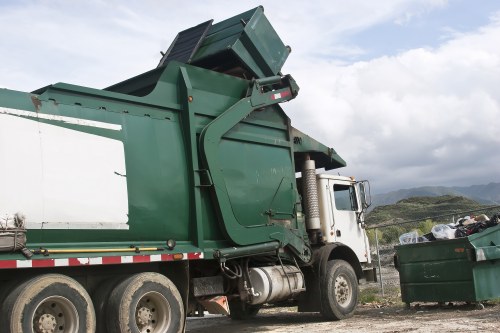
When a business is changing premises, refreshing its layout or ending a lease, waste can appear quickly and in large volumes. The challenge is usually not just removal, but deciding what needs to go now and what should stay in place until the very last stage of the move. We support commercial customers with practical clearance that fits a timetable rather than creating another task to manage. That can include mixed waste, furniture, office contents and general items left behind after a turnover.
Refurbishment work can generate packaging, broken fittings, protective materials and redundant equipment all at once. In those situations, a collection plan needs to be broad enough to cover the worksite without becoming overcomplicated. If you are looking for a more targeted clearance of larger items, the garage clearance page is a good example of how individual space types can be handled, while the same basic removal principles still apply to commercial settings with bulky contents.
Useful preparation is usually simple: note the floor level, any loading restrictions, and whether there are items that need to stay on site. If you can separate obvious rubbish from reusable or sensitive materials, that can help the work proceed more smoothly. A short call, message or form submission is often enough to start the quotation process. Let us know what needs removing and we can take it from there.
Specialist items and mixed waste streams
Some business clearances involve more than ordinary office waste. Premises may have appliances, broken display units, redundant stock, packaging wrap, damaged fixtures or heavy items that need a more careful approach. The collection method depends on what the items are made of and how they can be removed safely from the site. Our service is aimed at making those decisions easier by dealing with the waste in a practical and organised way.
There are occasions when specialist handling is relevant. For example, electrical items, refrigeration units and certain materials may require separate treatment from standard business rubbish. Where that applies, a dedicated page such as fridge and appliance removal can help if appliances are part of the load. If a business also needs to address confidential paper or records, the relevant collection needs to reflect that material rather than being treated as generic waste.
It is sensible to mention anything unusually heavy, awkward or delicate in your enquiry. This does not need to be a formal checklist. A straightforward note about what you want cleared is usually enough. If some items are reusable and others are simply waste, that distinction can be shared at the same time. The more the collection reflects the actual contents, the easier it is to arrange properly.
Choosing the right collection for your premises
Not every business needs the same kind of waste removal, and a good service should reflect the scale and layout of the site. A small office with a few unwanted desks has very different needs from a multi-room commercial unit or a premises being prepared for handover. We focus on matching the work to the situation, so you are not paying for an approach that is too broad or trying to fit a complicated job into an unsuitable template.
For some customers the priority is one-off clearance, while for others it is repeated removal of accumulating waste. In either case, the main questions tend to be the same: what needs clearing, where it is located and how accessible it is. If you want to read more about how prices are usually shaped, the pricing and quotes page is a useful next step before making contact. It can help you think through the practical parts of the job without overcomplicating the first enquiry.
There is no need to prepare a perfect plan before asking for help. A rough outline, a few details about access and the type of waste involved are enough to begin. If you want the removal arranged around a particular time window or building restriction, say so at the same time. That kind of information is often what makes a quotation feel properly grounded in the realities of the site.
Book a business waste quotation
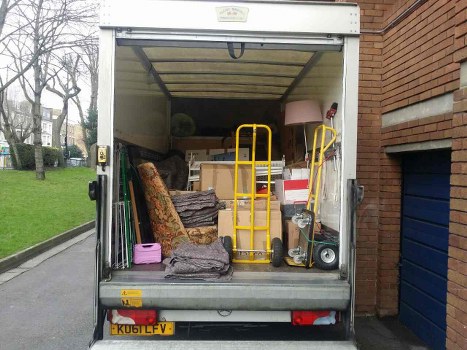
If you need business waste removal in Finsbury Park, the most helpful next step is to outline the items, the location within the premises and any access points that matter. We can then consider the right approach for the work and prepare a quotation that reflects the actual collection rather than a guess. Whether the job involves office furniture, mixed rubbish or a fuller commercial clear-out, the aim is to keep the process straightforward.
For customers who want a clearer idea of the wider service structure, the about us page gives additional context, while the service pages linked above cover specific kinds of clearance in more detail. If confidential papers are part of the material, the confidential shredding page is another relevant option to consider alongside the main collection. The right mix of services depends on what is actually on site.
When you are ready, send the basic details and ask for a quotation. That is usually enough to begin, and it keeps the focus on the work you need done rather than unnecessary steps. Request a quotation today.