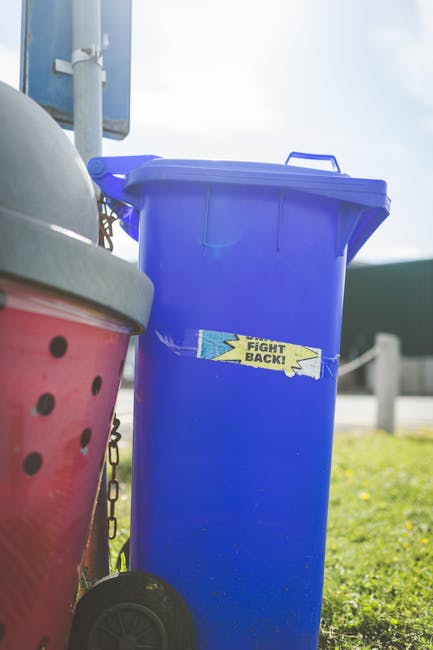
Stroud Green Road rubbish removal access tips
If you are arranging waste collection on a busy North London street, the small details matter more than people expect. Stroud Green Road rubbish removal access tips are not just about getting a van to the kerb; they are about planning around parking, front-door clearance, shared entrances, tight stairways, awkward timings, and the reality of a road that can feel busy from early morning to late evening. Get the access wrong and the job can drag on. Get it right and the whole thing feels calm, quick, and far less stressful.
This guide walks you through the practical side of access: how crews usually approach a collection, what to check before the team arrives, which obstacles cause delays, and how to make removal easier for everyone involved. It is written for homeowners, tenants, landlords, builders, office managers, and anyone who has ever stood in a hallway thinking, "Right... where does this wardrobe actually go?"
Table of Contents
- Why access planning matters on Stroud Green Road
- How rubbish removal access normally works
- Key benefits and practical advantages
- Who this is for and when it makes sense
- Step-by-step guidance
- Expert tips for better results
- Common mistakes to avoid
- Tools, resources and recommendations
- Law, compliance, standards and best practice
- Options, methods and comparison table
- Case study or real-world example
- Practical checklist
- Conclusion
- Frequently asked questions
Why Stroud Green Road rubbish removal access tips Matters
Access is the hidden part of rubbish removal that people only notice when something goes wrong. On a road like Stroud Green Road, where traffic, parked cars, narrow kerbs, and shared residential entrances can all play a part, access planning can be the difference between a tidy same-day job and a slow, fiddly one.
It matters for three simple reasons. First, safe access protects people and property. A clear route reduces the chance of scraped walls, bumped door frames, and heavy lifting done at awkward angles. Second, it saves time. If the team can park close, reach the load quickly, and move items without constant reshuffling, the job usually runs more smoothly. Third, it helps with pricing and expectations. Most waste removal work is easier to quote accurately when the access conditions are described clearly in advance.
There is also a human side to it. If you have ever tried to get a sofa through a narrow stairwell while a neighbour is coming down with shopping, you will know the mood changes fast. A little access planning keeps everyone calmer. To be fair, that is worth quite a lot.
If your clearance involves mixed household waste, bulky furniture, or a mix of renovation debris, it can help to review the basics of waste removal and, where needed, specific services such as furniture disposal or builders waste clearance. The better the job is matched to the access available, the smoother the whole day tends to go.
How Stroud Green Road rubbish removal access tips Works
At a practical level, access planning starts before the vehicle arrives. A good collection usually begins with a quick conversation about what is being removed, where it is located, how easy it is to reach, and whether there are any obstacles such as stairs, basement rooms, lift restrictions, narrow hallways, or limited stopping space outside.
The process normally looks something like this:
- You describe the items and the route. That means telling the team whether the rubbish is on the ground floor, upstairs, in a rear garden, or in a loft space.
- You flag restrictions early. For example, low hanging branches, permit-controlled parking, shared entrances, concierge rules, or access gates that need a code.
- The collection team plans the loading path. They decide how to move items out safely, what equipment may be needed, and whether extra time is sensible.
- The items are removed and sorted. Reusable or recyclable materials are separated where possible, with disposal handled responsibly.
That sounds simple. It often is, once the awkward bits are known. The issue is usually the unknowns. A front room full of bagged clutter is straightforward. A blocked hallway, a second-floor flat with a tight turn, and no parking nearby is a different story entirely. This is why accurate access notes matter so much.
If you are clearing a property rather than just a few bags, related pages such as house clearance, flat clearance, or home clearance may also be useful, because the access questions tend to be slightly different in each case.
Key Benefits and Practical Advantages
Good access planning is not glamorous, but it pays off. In our experience, clients often only realise the value after the job is finished and they see how little disruption there was.
- Faster collections. Clear routes and good parking arrangements reduce loading time.
- Lower risk of damage. Items are easier to move when the path is clear and measured properly.
- Better communication. Everyone knows what is happening, which reduces last-minute stress.
- Improved value for money. Fewer surprises usually means fewer delays and cleaner pricing expectations.
- Less disruption to neighbours. That matters on a street with shared entrances, busy footfall, and occasional school-run chaos.
There is another advantage that people sometimes overlook: better sorting at source. If you already know what is staying, what is going, and what needs special handling, the crew can separate materials more efficiently. That can support recycling, reduce confusion, and make the collection feel more organised. For many readers, the sustainability side is a real bonus, not just a nice extra.
For larger clearances involving office furniture or mixed commercial waste, it is worth looking at office clearance or business waste removal if the items are coming from a workplace rather than a home.
Who This Is For and When It Makes Sense
This kind of planning helps a wide range of people, but it is especially useful if your property or premises has limited access, shared space, or bulky items that are awkward to move.
- Flat residents dealing with stairs, lifts, or narrow communal corridors.
- Homeowners clearing lofts, garages, spare rooms, or garden waste.
- Landlords and letting agents preparing a property between tenancies.
- Builders and tradespeople removing renovation debris, packaging, or old fittings.
- Office managers clearing desks, chairs, filing units, and surplus equipment.
- Families handling a bigger clearance after a move or refurbishment.
It makes sense any time the waste is too much for normal bins, too heavy for one person, or too awkward for a quick lift-and-go. It also makes sense when timing matters. If the collection has to happen before work starts, before a handover, or during a short access window, you want the route and the logistics sorted early.
Bulky household items can require specific handling too. If you are moving a mattress, for example, the size and flexibility of the item changes the best route. For sofas and similar items, a dedicated service like mattress and sofa disposal can help when the load is awkward, heavy, or simply too large to wrestle through the hallway without a plan.
Step-by-Step Guidance
If you want to make access easier on Stroud Green Road, do the job in the right order. A rushed last-minute tidy-up can still work, but a little structure saves a lot of back-and-forth. Here is the process we would recommend.
- Walk the route from item to vehicle. Start where the rubbish sits and follow the exact path it must take. Note doors, gates, stairs, corners, lifts, and any tight bends.
- Measure the awkward bits. You do not need a surveyor's tape for everything, but check the width of stair turns, hallways, and the largest item. A wardrobe that looks fine in a room can become a different beast at the landing.
- Check outside parking or stopping space. Can a van pause close to the entrance, or will it need to park further away? If there are loading restrictions, mention them early.
- Clear obstacles in advance. Move shoes, plant pots, bikes, recycling boxes, pushchairs, and anything else that blocks the route. It sounds obvious. People forget. Often.
- Group items by destination. Put everything going in one place, and separate what needs special handling, like electrical items, fragile materials, or potentially hazardous waste.
- Share access notes when booking. Be specific about gates, door codes, concierge requirements, basement entry, or shared courtyard access.
- Keep the route open on the day. Try not to use the hallway as a holding area for bags or boxes once the team is due. That is when jobs get messy.
For a more complex property clearance, such as a loft or garage, access often feels like the job itself. If that is your situation, pages like loft clearance and garage clearance can be helpful because they reflect the realities of awkward storage spaces, not just the items themselves.
Expert Tips for Better Results
These are the small things that make a big difference. Nothing revolutionary. Just the kind of practical detail that tends to separate a neat collection from a slightly painful one.
- Photograph the access route. A quick phone photo of the hallway, entrance, or parking situation is often more helpful than a long explanation.
- Tell the truth about the awkward item. If the sofa is wedged in a corner, say so. If the fridge is still in a tight utility room, say that too. No shame in it.
- Keep keys or codes ready. Delays often come from simple things like locked gates or a misplaced buzzer code.
- Avoid overpacking bags. Overfilled sacks tear, swing badly, and make corridors harder to manage. A lighter bag is usually safer.
- Plan for noise and neighbours. Metal, glass, and old timber can clatter. If you know the building is sensitive, try to schedule carefully.
- Ask about reuse or recycling. If items are still in decent condition, it may be worth separating them before collection. That is good housekeeping and, frankly, it feels better.
One small tip that saves people a lot of grief: check door swing direction before moving large items. A door that opens inward can steal just enough space to turn a trolley or drag a bulky piece through. Tiny detail, massive annoyance. Classic.
If part of the job includes appliances or fridges, make sure they are described properly before collection. Services such as fridge and appliance removal exist for a reason: these items are heavy, awkward, and sometimes need special treatment because of their size and internal components.
Common Mistakes to Avoid
Most access problems are preventable. The trouble is, they are easy to underestimate when you are focused on getting rid of stuff quickly.
- Assuming a van can stop right outside. On busy streets, that may not be realistic.
- Forgetting about stair turns and landings. A straight hallway is not the same as a tight L-shaped stairwell.
- Not mentioning basement or rear access. Rear garden access can be easier-or more awkward-than the front door, depending on the layout.
- Leaving everything until the last minute. Half-packed rooms and blocked hallways slow the job down fast.
- Mixing normal rubbish with hazardous items. That can create safety issues and may require separate handling.
- Ignoring building rules. Some flats and managed properties have access windows or security procedures that must be respected.
The biggest mistake of all is probably this: treating access as an afterthought. Once a crew arrives, every extra step matters. A forgotten gate code or a narrow bottleneck can turn a simple collection into a long afternoon, and nobody wants that.
If your waste includes anything that may need special segregation, have a look at hazardous waste disposal before the job. Better to identify the awkward bits early than to discover them after everything is already stacked by the front door.
Tools, Resources and Recommendations
You do not need a toolbox full of gear to prepare properly, but a few simple items make access planning much easier.
- Measuring tape for doors, hallways, stair widths, and furniture dimensions.
- Masking tape or sticky notes to mark items that are definitely going, staying, or being checked.
- Gloves and sturdy footwear if you are helping with moving or sorting.
- Phone camera for photographing access routes and large items.
- Trolley or sack truck if you are shifting multiple smaller loads across a longer route.
If you want to compare disposal options, it is also worth understanding the difference between a physical collection and a containment approach. Some people look at the basics of what can go in a skip before deciding whether a skip or a man-and-van style clearance is more suitable. There is no single right answer. It depends on access, volume, and how quickly the area needs to be cleared.
For some jobs, especially where sorting and responsible disposal matter, reading about recycling and sustainability can help you make a better decision before booking. And if you are trying to keep the whole process transparent, the details on pricing and quotes are worth checking so you know how access conditions may affect the estimate.
Law, Compliance, Standards and Best Practice
When rubbish removal involves lifting, carrying, loading, or transporting waste, there are a few common-sense standards worth taking seriously. No drama, just sensible practice.
In the UK, waste must be handled responsibly, and anyone arranging disposal should think carefully about what is being removed, how it is being stored before collection, and whether any items need special treatment. Safety is just as important as tidiness. Good operators will also pay attention to insurance, manual handling, and secure access procedures, especially in shared buildings or busy streets.
Best practice usually includes the following:
- Clear communication before arrival so there are no surprises.
- Safe lifting and carrying techniques to reduce the risk of injury.
- Appropriate sorting of waste streams so recyclable items are not mixed unnecessarily with general waste.
- Respect for building access rules in flats, offices, and managed premises.
- Care around potentially sensitive materials such as documents or broken electrical items.
If your clearance includes paperwork, office files, or other confidential material, you may want to separate it from general rubbish and ask about confidential shredding. That is one of those details people forget until they are staring at a box of old files wondering what to do next.
For commercial premises, compliance and working practices matter even more. The team should understand access control, health and safety expectations, and the practical realities of moving items through communal or public areas. You can also review health and safety policy, insurance and safety, and modern slavery statement if you are checking how a provider approaches responsibility more broadly.
Options, Methods and Comparison Table
People usually decide between a skip, a full removal service, or a targeted collection for bulky items. The best option depends on access, timing, and how much effort you want to put in yourself.
| Option | Best for | Access demands | Main advantage | Typical drawback |
|---|---|---|---|---|
| Skip hire | Longer projects and steady fill over time | Needs space outside and relatively easy loading | You can fill it at your own pace | May be awkward on a narrow or busy road |
| Man-and-van rubbish removal | Quick clear-outs and mixed loads | Works well when items can be reached and carried out | Fast and flexible | Needs clear access and good timing |
| Bulky-item collection | Sofas, mattresses, appliances, and one-off large objects | Needs a safe route from room to vehicle | Simple for single heavy items | May not suit mixed waste in bulk |
| Full property clearance | Moves, bereavement clearances, end-of-tenancy work | Requires the most planning and coordination | Most comprehensive solution | Usually the most detailed to organise |
If your access is tight, a collection service can often be easier than leaving a skip in place. If the waste is spread across rooms or floors, it may also be more practical than trying to shuttle bags and boards yourself. That said, if you already have a clear loading point and time to manage the fill, a skip can still make sense. The trick is matching the method to the access, not the other way around.
Case Study or Real-World Example
Here is a realistic example. A small flat on Stroud Green Road needed a clearance after a refurbishment: old shelves, a broken table, several sacks of packaging, and a couple of awkward bits from the bedroom. Nothing huge, but enough to cause trouble if handled badly.
The problem was access. The flat was on an upper floor, the stairwell turned sharply halfway up, and there was limited stopping space outside. Instead of pretending it would all be straightforward, the resident shared a few photos, described the stair layout, and mentioned the front-door code in advance. The hallway was cleared the night before. A neighbour's bike was moved. Simple stuff, really.
On collection day, the crew knew exactly what they were dealing with. They parked as close as possible, loaded the smallest items first, and used a measured route for the heavier pieces. The job still took effort-there is no magical shortcut for old furniture in a narrow stairwell-but it stayed organised. No damage, no confusion, no last-minute scramble.
That sort of result is not fancy. It is just good preparation. And honestly, that is what most people want: a clean finish, minimal fuss, and the satisfaction of opening the front door afterwards and seeing the space finally breathing again.
Practical Checklist
Use this checklist before your collection. It is the kind of thing that takes ten minutes and saves an hour.
- Confirm what is being removed and what is staying.
- Walk the route from item to vehicle.
- Check staircases, lifts, landings, and tight corners.
- Measure the largest item and the narrowest point if needed.
- Note parking, stopping space, or loading restrictions.
- Share gate codes, entry instructions, and contact details.
- Clear the hallway, porch, garden path, or shared entrance.
- Separate normal waste from anything hazardous or confidential.
- Decide whether bulky furniture needs special handling.
- Keep pets, children, and foot traffic out of the route on the day.
Expert summary: the best rubbish removal jobs are rarely the ones with the fewest items. They are the ones where access is thought through properly, the route is clear, and the collection team knows the real shape of the job before they arrive.
Conclusion
Good access planning turns a potentially awkward rubbish removal into a straightforward, almost forgettable job. That is the goal, really. On Stroud Green Road, where parking, footfall, and building layouts can all vary from one property to the next, a little preparation goes a long way.
Take the time to measure the awkward bits, clear the route, share the access details, and choose the right collection method for the load. Whether you are dealing with household clutter, office waste, renovation debris, or a bulky item that simply will not budge, a calm approach usually wins.
If you want to compare your options or plan your next step, you can start with book online and check the practical details behind about us and contact us when you are ready to talk through the access on your property. And if you are still deciding between collection methods, a look at pricing and quotes can help you move from guesswork to something more concrete.
Get a free quote today and see how much you can save.
Frequently Asked Questions
What are the most important access tips for rubbish removal on Stroud Green Road?
The most important tips are to check the route from the waste to the vehicle, confirm parking or stopping space, and tell the collection team about stairs, gates, codes, or tight corners before the job starts.
Do I need to measure doors and stairways before a collection?
Not always, but it helps if you have bulky items such as wardrobes, sofas, or large appliances. Even rough measurements can prevent a lot of frustration on the day.
What if a van cannot park directly outside my property?
That is common on busy roads. In many cases the team can still work with nearby parking, but it helps to mention the distance from vehicle to property so the access time can be allowed for.
Is rubbish removal better than hiring a skip for tight access?
Often, yes. If the road is narrow, parking is limited, or the waste is spread through several rooms, a collection service is usually easier than trying to place and fill a skip on the street.
How can I make a flat clearance easier for the crew?
Clear the hallway, unlock access points, keep pets and people out of the route, and group the items that are going. If your property is a flat, flat clearance can be a sensible starting point for planning.
What should I do with broken appliances or fridges?
Tell the provider in advance and keep them separate from general rubbish if possible. Appliances can be heavy and awkward, so it helps to use a service that handles them properly, such as fridge and appliance removal.
Can you remove waste from a rear garden or basement?
Usually yes, provided the access route is safe and clearly described. Rear paths, side gates, and basement steps can all be workable, but they need to be planned rather than guessed.
What if my building has access codes or concierge rules?
Share those details before the visit. A delay at the front door because someone cannot get in is one of the easiest problems to avoid.
Are there items that need special handling during rubbish removal?
Yes. Hazardous materials, confidential documents, and some electrical items may need separate treatment. If you are unsure, review hazardous waste disposal and confidential shredding before the collection.
How far in advance should I book if access is tricky?
As early as you can. A little extra notice gives the team time to ask the right questions, plan the vehicle position, and avoid awkward surprises. Even a few extra details can make a big difference.
Will access issues affect the price?
They can, because longer carry distances, extra labour, or complicated entry arrangements may affect the work involved. That is why it helps to be honest and specific when requesting pricing and quotes.
What is the best way to prepare a property the night before?
Clear the route, move anything that blocks the doorway or stairs, separate the items going from the items staying, and make sure access details are ready. It is not glamorous work, but it makes the morning so much easier.
Where can I learn more about responsible disposal and company standards?
You can review pages such as recycling and sustainability, health and safety policy, and insurance and safety for a better sense of how careful disposal and safe working practice fit together.